
Your Guide to the Stages of Alcohol Recovery
Holistic therapies such as mindfulness, yoga, meditation, acupuncture, and exercise support recovery by reducing stress and building emotional resilience. A 2021 Journal of Substance Abuse Treatment study showed mindfulness-based interventions lowered relapse rates by 35%. The longer the period of alcohol abuse, the longer complete healing will take. Most commonly, people who relapse while in recovery will bounce back to the contemplation stage rather than the precontemplation stage, meaning Sober living house that they don’t completely start over. At this stage, they can also begin healing liver damage with diet and exercise. They attempt to reverse the effects of their previous drinking in as many ways as possible, from health to social relationships to earning potential.

Reset Your Mind: Benefits of Inpatient Mental Health Care
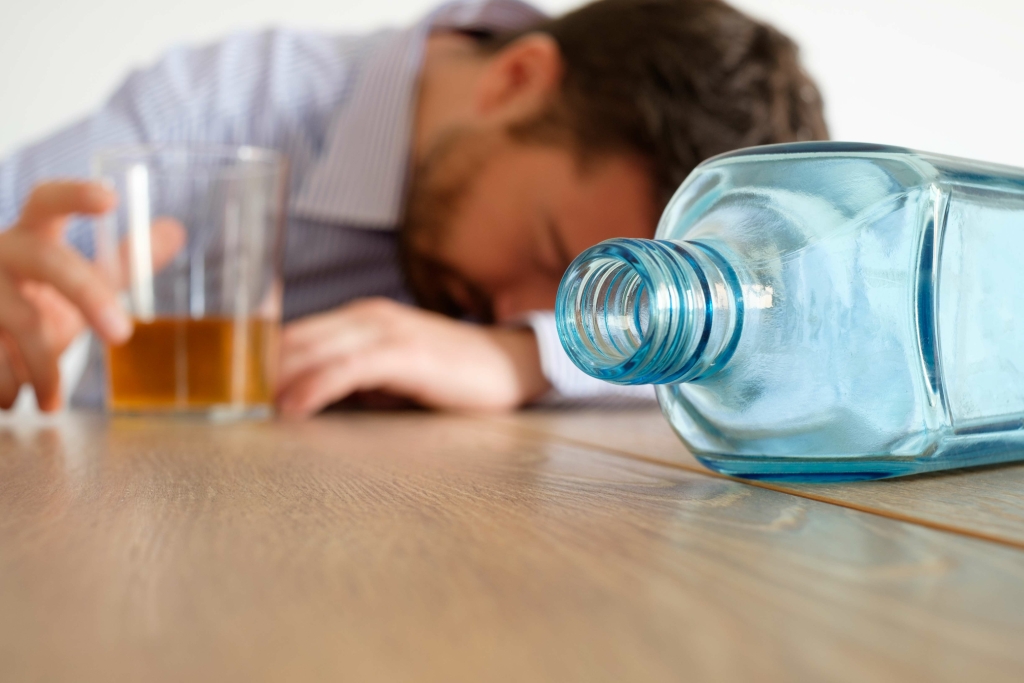
Understanding the importance of alcohol recovery and familiarizing oneself with the stages can greatly support individuals in their journey towards recovery. Individuals in this stage actively work to prevent relapse and navigate the challenges that may arise along the way. Developing coping strategies and relapse prevention techniques is key during this stage. By identifying triggers and implementing healthy coping mechanisms, individuals can effectively manage cravings and maintain their sobriety. Celebrating milestones and achievements is essential to boost motivation and reinforce the progress made. The Maintenance stage is the fifth phase of alcohol recovery, where individuals focus on sustaining sobriety and preventing relapse.
Is family therapy included in alcohol rehab?
The prefrontal cortex, responsible for decision-making and impulse control, suffers damage that impairs the ability to resist cravings. Brain changes can persist months or years after achieving sobriety, requiring ongoing support and treatment to maintain recovery. The Recovery Village Columbus offers comprehensive addiction treatment for drug and alcohol addictions and co-occurring mental https://sonanper.vn/alcohol-and-chronic-kidney-disease/ health conditions. It’s essential to seek professional help during this stage to ensure a safe and effective detoxification process.
- In the next stage of alcohol recovery, individuals move towards detoxification, where they break free from physical dependence on alcohol.
- At this point of your recovery, you will typically stop engaging with counseling, although you may continue attending 12-step support groups.
- This acceptance is an important step in breaking through denial and embracing the path to recovery.
- It’s estimated that more than up to half of individuals with an alcohol use disorder will experience these withdrawal symptoms to some degree.
What are The 6 Stages of Alcohol Recovery
- Avoiding high-risk situations, building a structured daily routine, and finding new hobbies strengthen long-term recovery.
- The maintenance phase of recovery is also characterized by continued vigilance against relapse.
- Hydration and proper nutrition help ease discomfort, but medical supervision is crucial for high-risk individuals.
- For those in recovery, incorporating thiamine-rich foods into meals and taking supplements under medical supervision can significantly reduce risk.
The most surefire way to achieve success in recovery is to make and execute a well-thought-out plan, with the support of caring professionals. For the first part of the action stage, we recommend you seek the support of a qualified alcohol detox and rehab facility. In the preparation stage, an alcoholic has confronted their addiction and is now ready to make meaningful plans to seek treatment in the near future. The alcoholic may begin to tell friends and family about their plans to change, although they are still drinking. It’s easy for people to get stuck in the contemplation stage, where they know they need to make a change but just aren’t ready to.
What should I expect during substance abuse treatment?
- DTs (delirium tremens) is the most severe form of alcohol withdrawal affecting about 5% of those detoxing.
- However, it is essential to confront these feelings and understand that alcohol has become a problem in their lives.
- Recovery can be challenging, but understanding the process boosts individuals’ resilience and motivates them to persevere, building resilience.
- Practical steps to mitigate the kindling effect include avoiding abrupt cessation of alcohol and opting for medically supervised tapering.
The primary medications used in alcoholism treatment include naltrexone, disulfiram, and acamprosate. Naltrexone blocks opioid receptors, reducing the pleasurable effects of alcohol and lowering cravings. Disulfiram creates unpleasant reactions, such as nausea and headache, when alcohol is consumed, discouraging relapse. Acamprosate helps restore neurochemical balance in the brain, easing withdrawal symptoms and preventing alcohol-related anxiety. Recovery extends beyond merely stopping alcohol use; it includes addressing the underlying psychological, social, and neurological factors contributing to addiction. Rehabilitation programs utilize evidence-based therapies, medications, and support systems to guide individuals through sobriety maintenance strategies.

Alcoholics who have been drinking for one year or several decades can all have the opportunity to get clean and start living in a sober, healthier way. Work with a support team stages of alcoholic recovery to make sure that you are staying focused on moving forward and not dwelling in the past or repeating unhealthy behaviors. If you are at a rehab center you will have classes and groups to help you process these emotional swings. These weeks are often difficult for alcoholics who can begin to see the damage that their drinking has caused.